Renovation of historic, heritage, and protected buildings: Recommendations & case studies
The need to urgently reduce the EU’s dependency on Russian fossil fuels and at the same time to transform our buildings to be highly energy efficient and decarbonised by 2050 requires us to take into account the entire building stock. A sizable proportion of the existing building stock in the EU can fall into the category of historic, heritage or other protected buildings (their definition varies greatly between EU countries), many of which are amongst the worst-performing buildings in terms of energy consumption.
They therefore must be in scope of the Energy Efficiency Directive (EED) and Energy Performance of Buildings Directive (EPBD), as well as in national building renovation plans and other strategies that are designed to meet the EU’s climate objectives. This means improving their energy performance and reducing their CO2 emissions, thus improving living conditions for their occupants.
For example, MEP Ciarán Cuffe, lead rapporteur on the EPBD, proposed to allow different requirements for protected buildings but only “once those buildings have reached at least EPC class D, and only in so far as compliance with further minimum energy performance requirements would unacceptably alter their character or appearance”. In this regard, it is key to highlight:
- The right set of solutions and technologies is needed (and many are already available) to unlock the high energy savings potential in historic and other buildings. A tailor-made approach should be followed when renovating a historic building to preserve its cultural and architectural merit. The IEA EBC Annex 76 project showed that a renovation can reduce the energy demand of historic buildings by 75%. It supported the compilation of more than 60 best practices providing concrete examples of historic buildings with high energy efficiency improvements. Options include internal insulation, heat recovery ventilation, improving airtightness, and interventions on the windows internally. These solutions can also minimise moisture-related damage, improve health and comfort for users, and support the continued preservation of the building. The HiBERtool is a useful and accessible database that presents the different solutions available for the renovation of historic buildings.
- National building renovation plans and other strategies must take into account historic and other buildings. Several Member States already do so in their long-term renovation strategies (e.g. France, Germany, Ireland, Slovakia, Slovenia, Croatia), encouraging the renovation of historic, traditional and heritage buildings as long as an appropriate renovation approach is followed that respects certain limitations and preserves the architectural and cultural value of the building. Germany for example supports the renovation of heritage-protected buildings with KfW subsidies. Croatia also plans to achieve a 4% renovation rate of buildings with cultural value renovated annually by 2040, with a special focus on buildings owned by the army.
- National Recovery and Resilience Plans should include (and many already do) specific investment measures that will support the renovation of historic and other protected buildings. Slovakia has earmarked €200m to renovate at least 60,000 m² of historic and listed public buildings, which would have to achieve an average of at least 30% primary energy savings. Romania is providing part of €1.17bn to renovate public historic buildings, including funds for training professionals, for collecting and reusing historical building materials and for a laboratory testing new materials and solutions. Italy has planned several measures including more than €300m for renovating and restoring cinemas, theatres, museums and buildings used by the Italian justice system.
Annex: best practice examples
- IEA EBC Annex 76 / SHC Task 59 Renovating Historic Buildings Towards Zero Energy (link)
- HiBERatlas and HiBERtool projects
- 3ENCULT: eight case studies (archived link)
- VIOLET project (link)
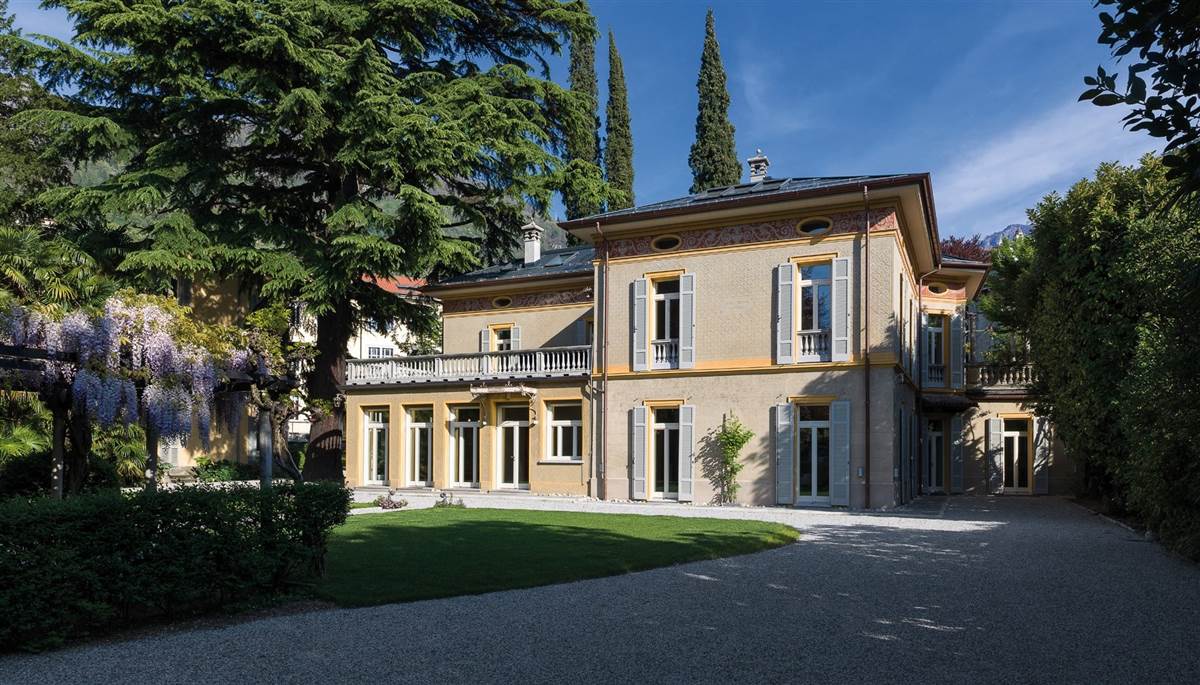
- Renovation of Villa Castelli in Italy: a heritage building which achieved a 90% energy demand reduction, demonstrating that a listed building can become a nearly zero-energy building (nZEB). Read more here.
Certification, protocols, standards and models
- The Italian GBC Historic Building certification (archived link)
- Standard EN 16883:2017 ‘Conservation of cultural heritage – Guidelines for improving the energy performance of historic buildings’ (link)