
Energy efficiency technologies
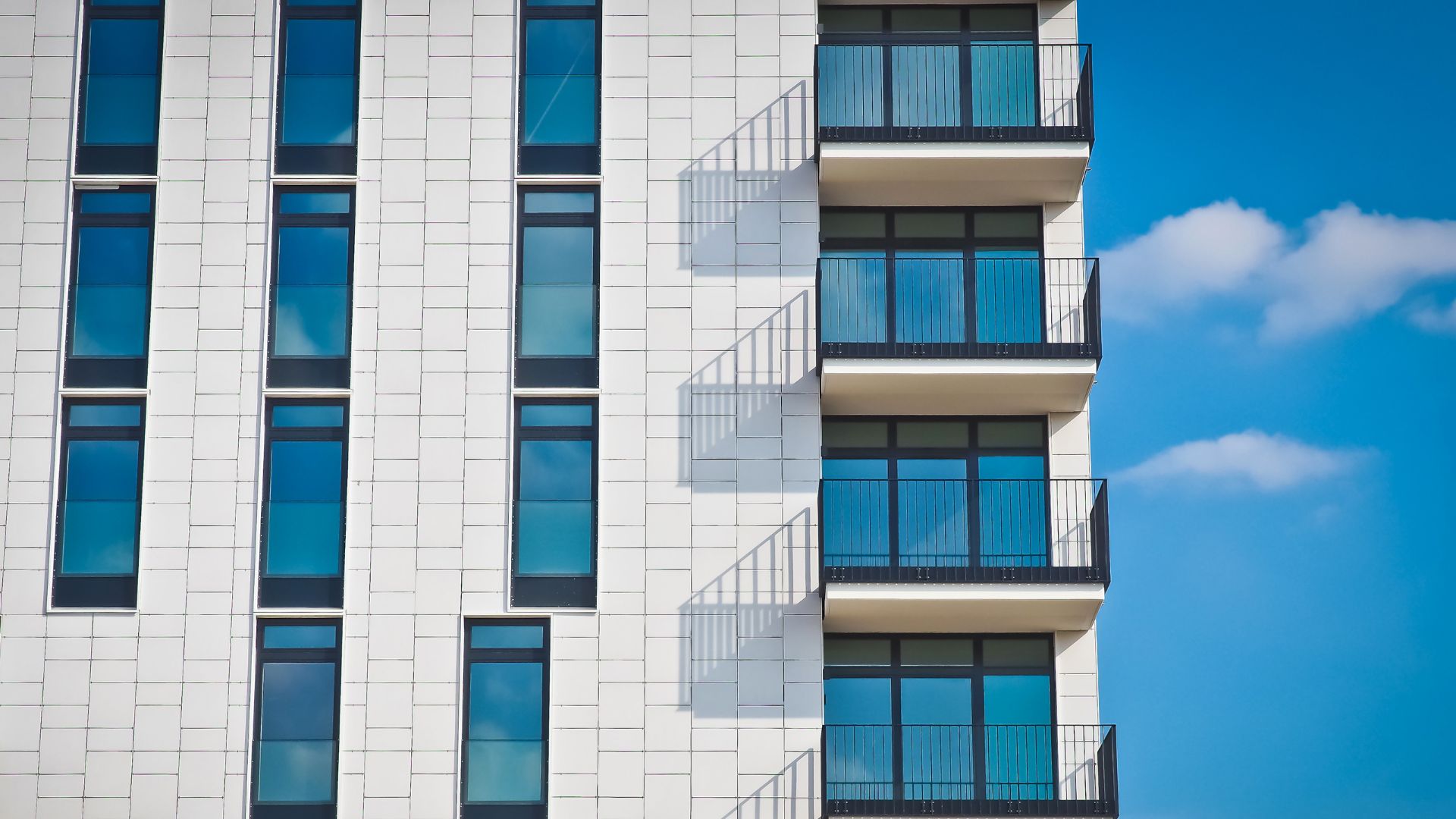
This picture shows technologies that make buildings more energy efficient, from insulation and glazing to heat pumps and smart controls. Click an icon to read about a technology, or find them all listed below.
Building envelope
Insulation, windows, shading and roofs: the parts of a building that keep heat in during winter and out in summer.
Floor insulation
Floor insulation refers to materials or systems installed in or under a building’s floors to enhance energy efficiency by reducing heat loss and therefore heating and cooling costs. It helps improve comfort by maintaining consistent indoor temperatures by preventing heat from escaping in cold weather and entering in warm weather. Floor insulation also aids in reducing noise transmission and may provide moisture resistance, contributing to the overall durability of the structure.
To learn more, check our members: BASF, Etex, Kingspan, Knauf Insulation, ROCKWOOL, Saint-Gobain
Wall insulation
Wall insulation refers to materials or techniques used to reduce heat transfer through walls in a building. Its purpose is to enhance energy efficiency, maintain comfortable indoor temperatures, and reduce heating and cooling costs. Wall insulation also contributes to soundproofing, moisture control, and overall structural durability.
To learn more, check our members: BASF, Etex, Kingspan, Knauf Insulation, ROCKWOOL, Saint-Gobain
Roof Insulation
A quarter of a building’s heat is lost through an uninsulated roof. Insulating a roof requires materials or systems installed in or on a roof structure to reduce heat transfer, enhance energy efficiency, and improve indoor comfort. It minimizes heat loss in cold weather and heat gain in warm weather, playing a key role in regulating a building’s temperature. Roof insulation is critical for reducing energy costs, preventing condensation, and improving the overall performance of the building envelope.
To learn more, check our members: BASF, Etex, Kingspan, Knauf Insulation, ROCKWOOL, Saint-Gobain
Ventilated façade
A ventilated façade is a building envelope system with an outer cladding (e.g., fibre cement façade panels, slats,…) separated from the insulation by an air cavity. This design allows air to circulate, improving thermal performance, moisture control, and energy efficiency while protecting the structure from weather.
To learn more, check our members: Etex

Air tightness membrane/seals
Air-tightness membranes or seals in a building are materials or systems designed to prevent uncontrolled airflow through the building envelope. These components ensure that air leakage (the unintentional flow of air through gaps, cracks, or penetrations in walls, floors, and roofs) is minimised, improving energy efficiency, comfort, and overall building performance.
To learn more, check our members: Saint-Gobain, BASF
Automated blinds and shutters
Automated blinds and shutters are window coverings equipped with motorised systems that allow them to be opened, closed, or adjusted automatically, often controlled via remote devices, smartphone apps, or integrated home/building automation systems. They enhance indoor environmental quality, convenience, energy efficiency, thermal insulation, noise reduction, and comfort by regulating daylight, privacy, and temperature inside the building.
Blinds and shutters
Blinds and shutters in a building are window coverings and exterior or interior panels that can be operated manually, remotely or programmed to function automatically. They enhance indoor environmental quality, comfort, energy efficiency, and security by controlling daylight, privacy, temperature, thermal insulation, and noise. Blinds and shutters are versatile solutions that improve the usability and comfort of spaces in residential, commercial, and industrial buildings.
To learn more, check our members: VELUX
Glazing
Glazing in a building refers to the installation of glass in windows, roof windows, doors, facades, or other architectural elements. It is a component of a building’s envelope that balances and enhances (day)light, comfort, noise, and energy demands. Energy-efficient glazing is rated according to its ability to reduce the amount of heat that can pass through the window, the capacity for sunlight to travel through the glass unit, and the capacity for air to move through the unit.
To learn more, check our members: VELUX, Saint-Gobain
Roof windows
Roof windows are installed directly into a roof. They improve the indoor environmental quality by improving daylight, natural ventilation and thermal comfort, but also help optimise space under the roof, and energy savings by better use of natural daylight.
To learn more, check our members: VELUX

Cool Roof covering
Cool roof coverings are materials or coatings applied to roofs to improve their ability to reflect sunlight (solar energy) and release absorbed heat, making the roof surface cooler than conventional roofs. These coverings help reduce heat transfer into buildings, improve energy efficiency, and enhance comfort, particularly in hot climates.
To learn more, check our members: Kingspan, ROCKWOOL, BASF, Knauf Insulation

Green Roof
A green roof is a vegetated roofing system which is functionally integrated onto a roof area, applicable on residential, non-residential, industrial and urban rooftops. Green roofs help urban areas by increasing green space, reducing the urban heat island effect by controlling excessive heat, and managing rainwater through absorption and retention.
To learn more, check our members: Knauf Insulation
Technical building systems & appliances
The equipment that heats, cools, ventilates and lights a building, and supplies it with hot water and energy.

Heat Pump
Heat pumps are highly efficient devices that provide heating and cooling for buildings by transferring heat rather than generating it directly. It operates on the principle of moving heat from one location to another, similar to how a refrigerator works. Heat pumps can work in two primary modes: heating and cooling.
To learn more, check our members: Daikin, Johnson Controls, Carrier, Grundfos
Mechanical ventilation
Mechanical ventilation refers to a system that uses mechanical means, such as fans or blowers, to move air in and out of a space. It ensures proper indoor air quality by providing fresh outdoor air, removing stale indoor air, and controlling moisture levels. Mechanical ventilation systems help improve the indoor air quality and overall comfort of a building, control moisture, and minimise energy loss.
To learn more, check our members: Daikin, Johnson Controls, Carrier, Grundfos
Humidity-sensitive air inlets
Humidity-sensitive air inlets are ventilation devices that adjust the flow of incoming air based on the relative humidity levels in the space or in the incoming air. They are designed to enhance indoor air quality and energy efficiency by regulating ventilation in response to environmental conditions. These inlets are commonly used in residential, commercial, or industrial buildings to optimise comfort and reduce energy consumption.
To learn more, check our members: Schneider Electric, Daikin, Johnson Controls

Efficient lighting
The use of lighting systems and technologies designed to minimize energy consumption while maintaining or improving the quality of illumination. Efficient lighting reduces operational costs, enhances occupant comfort, and contributes to environmental sustainability.
To learn more, check our members: Signify

Efficiency and connected lighting
Connected lighting systems with integrated sensors and advanced controls optimise energy use across industry, office, hospitality, and public buildings, enhancing operational efficiency, occupant experience, and sustainability through intelligent, data-driven illumination.
To learn more, check our members: Signify

Waste Water Heat Recovery
Waste Water Heat Recovery is a technology that uses a heat exchanger in the shower drain to transfer heat from hot wastewater to the colder fresh water. This preheated fresh water is then redirected to the shower, reducing the amount of energy needed to reach the desired temperature.
To learn more, check our members: Hansgrohe
Efficient taps and shower
Water-efficient taps and showers are fixtures designed to reduce water usage without compromising on performance. They help conserve water, reduce utility bills, and promote sustainability by minimising water waste. These fixtures typically achieve efficiency through innovative design, advanced technology, and various flow-reducing mechanisms.
To learn more, check our members: Hansgrohe
District heating and cooling
District heating and cooling is a centralised system for distributing thermal energy (heating or cooling) from a central source to residential, commercial, and industrial buildings. These systems offer a more efficient and sustainable approach to fulfilling the heating and cooling requirements of buildings compared to standalone, decentralised solutions.
To learn more, check our members: Kingspan, Daikin, Johnson Controls, Carrier, Grundfos

Solar panels
Solar panels are devices installed on buildings to capture sunlight and convert it into usable energy. They enhance a building’s sustainability by providing a renewable energy source, reducing reliance on conventional fossil fuels, and lowering utility costs.
Smart EV charging
Smart EV charging refers to an advanced system of charging electric vehicles (EVs) that optimizes the process by integrating technology to balance energy demand, minimize costs, and enhance grid efficiency. smart charging solutions use communication and data-driven management to deliver electricity more intelligently.
To learn more, check our members: Schneider Electric
Rainwater harvesting
Rainwater harvesting is the process of collecting, storing, and using rainwater that falls on rooftops, land surfaces, or other catchment areas. This practice helps conserve water, reduce reliance on municipal water supplies, and mitigate the effects of water scarcity. It is an efficient way to make use of a renewable natural resource in a sustainable manner.
To learn more, check our members: Grundfos
Battery storage
A battery storage system for buildings is a setup that stores electricity in batteries for later use. It is often integrated with renewable energy systems (like solar panels) or connected to the grid to improve energy management, reduce costs, and ensure a reliable power supply. These systems help buildings optimise energy use and reduce their carbon footprint.
To learn more, check our members: Schneider Electric
Smart meter
A smart meter is a digital device installed in buildings to measure and record electricity, gas, or water consumption in real-time. Unlike traditional meters, smart meters are connected to a network that allows for two-way communication between the utility provider and the meter. This advanced functionality enables accurate billing, better energy management, and more efficient utility operations.
To learn more, check our members: Schneider Electric
Controls and digital tools
Thermostats, meters and software that measure what a building uses and run its systems when they are needed.
Room Thermostat
A room thermostat is a device used to regulate and maintain a desired temperature in a specific room or area within a building. It works by monitoring the ambient temperature and controlling heating or cooling systems to ensure comfort and energy efficiency
To learn more, check our members: Carrier, Daikin, Johnson Controls, Schneider, Somfy
Building management system: edge control
Edge control in a Building Management System (BMS) refers to the decentralized processing and management of building data at or near the source (the “edge” of the network), rather than relying solely on centralized cloud or server-based systems. It involves the use of smart devices, controllers, and sensors that analyse and act on data locally, enabling faster and more efficient building management.
To learn more, check our members: Autodesk, Grundfos, Schneider, Daikin, Johnson Controls, Carrier, Signify, Somfy
Cloud technologies
Cloud technologies in buildings refer to the use of cloud-based platforms, tools, and systems to manage, control, and optimise building operations and services. By leveraging cloud computing, building owners and facility managers can centralise data, enable remote access, and integrate various smart building technologies for better efficiency, sustainability, and occupant experience.
To learn more, check our members: Autodesk, Grundfos, Schneider Electric, Johnson Controls, Carrier, Signify
Remote controls
Remote controls in buildings are systems, devices, or platforms that allow for the operation, management, and monitoring of building functions and systems from a distance. These smart controls enable building owners, facility managers, or occupants to adjust various operations without being physically present, typically through connected devices such as smartphones, tablets, or computers.They therefore enhance efficiency, security, and user comfort by enabling real-time management of building systems from anywhere.
To learn more, check our members: Autodesk, Grundfos, VELUX, Schneider, Daikin, Johnson Controls, Carrier, Signify, Somfy
Digital twin
A Digital Twin is a virtual representation of a physical object, system, or process. It is created using data collected from the physical counterpart, enabling real-time monitoring, simulation, and analysis. It integrates data from sensors, IoT devices, and building management systems (BMS) to provide an accurate and dynamic model of the building’s operations, structure, and environment. Digital twins enable real-time monitoring, simulations, and analysis to improve efficiency, maintenance, and overall performance.
To learn more, check our members: Autodesk, Schneider Electric
Energy efficiency meter
An energy efficiency meter is an IoT device used to accurately measure the performance of a residential building envelope. It uses AI and collected data through sensors to analyse and measure the energy efficiency performance of the home. The analysis compares to theoretical energy performance certificates issued to label buildings’ energy performance.
To learn more, check our members: Knauf Insulation, Schneider Electric